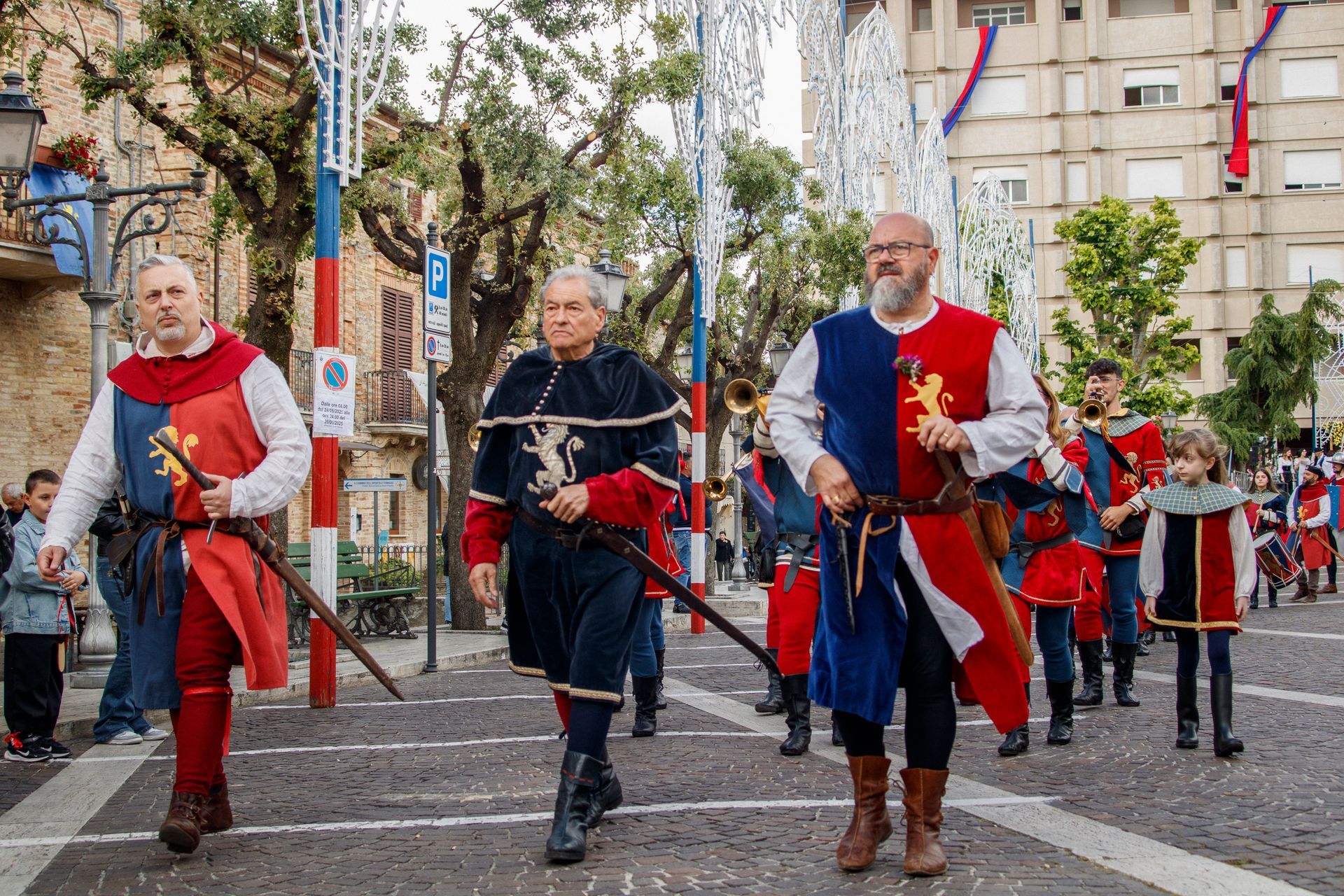
Celestine V and Abruzzo: The Hermit-Pope Behind the Cammino di Celestino
Abruzzo has a lot of saints, but only one who briefly ran the Catholic Church and then walked away from it. Pietro Angelerio, better known as Pietro da Morrone and later Pope Celestine V, spent most of his life as a hermit in the caves of the Maiella and Morrone mountains before being elected pope in 1294, at around eighty-five, and resigning less than five months later to return to that same solitude. He never made it back. His successor, Boniface VIII, had him confined, and he died in custody in 1296.
It's a strange, quiet story to sit at the centre of a region's identity, and yet it does. To understand why, it helps to look at what he left behind here, and at the trail that now lets you walk through it yourself.
New to Abruzzo? Read our Travel Guide or explore what we can do for you.
What Celestine V still means to Abruzzo
Abruzzo is a region defined by its mountains as much as by its people, and Celestine V is the figure who ties the two together. He wasn't a noble or a scholar. He was a shepherd's son who chose the hardest, most remote hermitages in the Apennines, places carved directly into rock faces, reachable only on foot, and lived there for decades before anyone outside Abruzzo had heard his name.
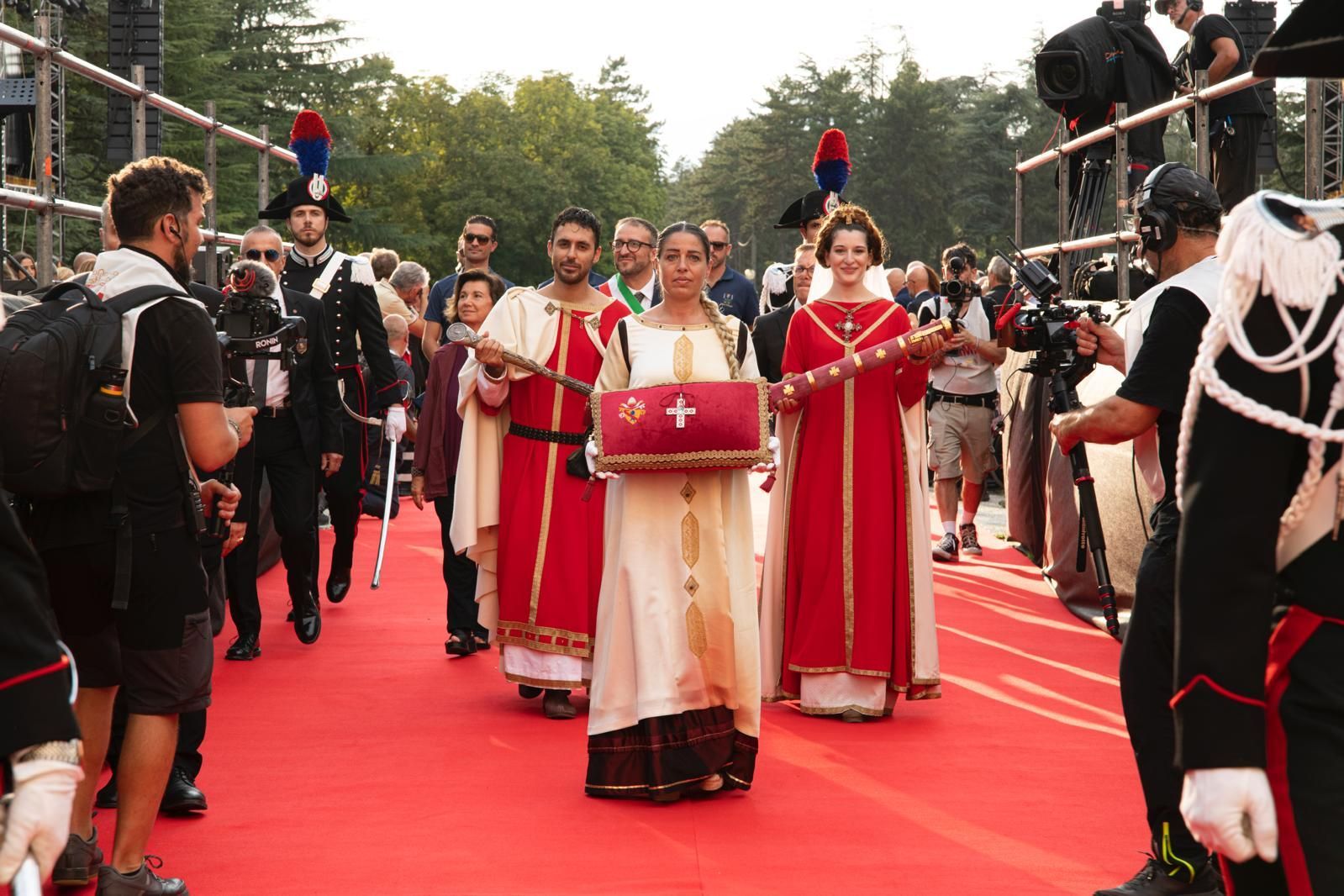
That choice, repeated at the height of his power when he gave up the papacy to return to it, is what Abruzzesi tend to point to when they talk about him. Not the coronation in L'Aquila, not the Bull of Forgiveness he issued there, but the refusal that came after: a man who had reached the top of the medieval world and decided the mountains mattered more. It's a story that fits comfortably alongside everything else this region values: self-sufficiency, a wariness of excess, a preference for the quiet and the real over the grand.
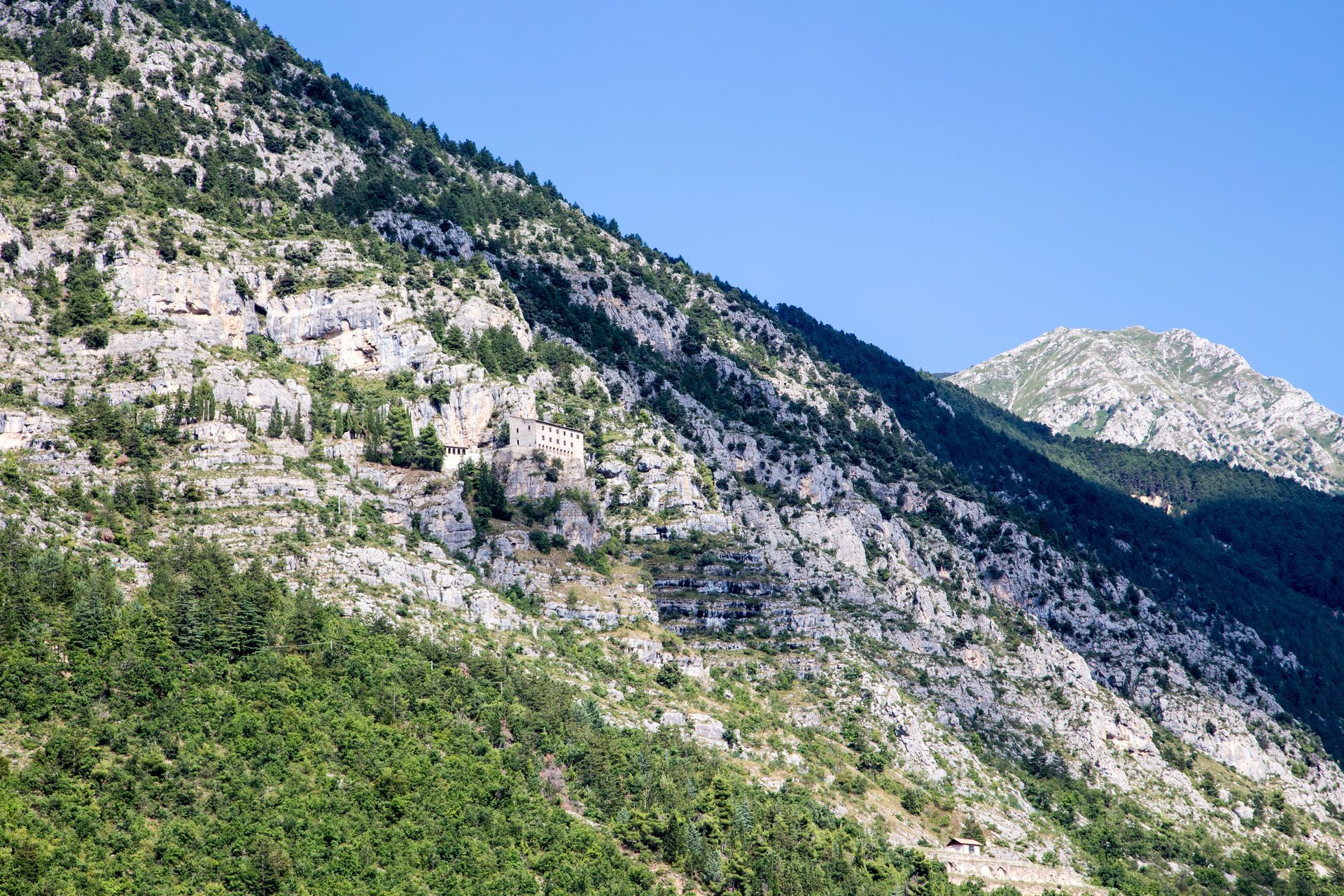
Dozens of hermitages across the Maiella and the Morrone still carry his memory: Sant'Onofrio all'Orfento, Santo Spirito a Maiella, San Bartolomeo in Legio, San Giovanni all'Orfento. Most are still reachable only in the way he reached them, on foot.
Walking his path: the Cammino di Celestino
Since 2008, that network of hermitages has been connected into a proper long-distance trail, the Cammino di Celestino, and it has since grown into multiple routes.
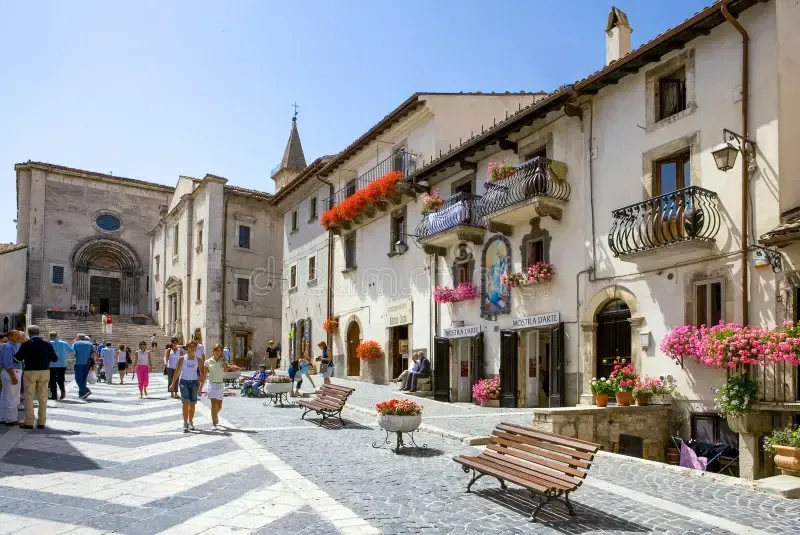
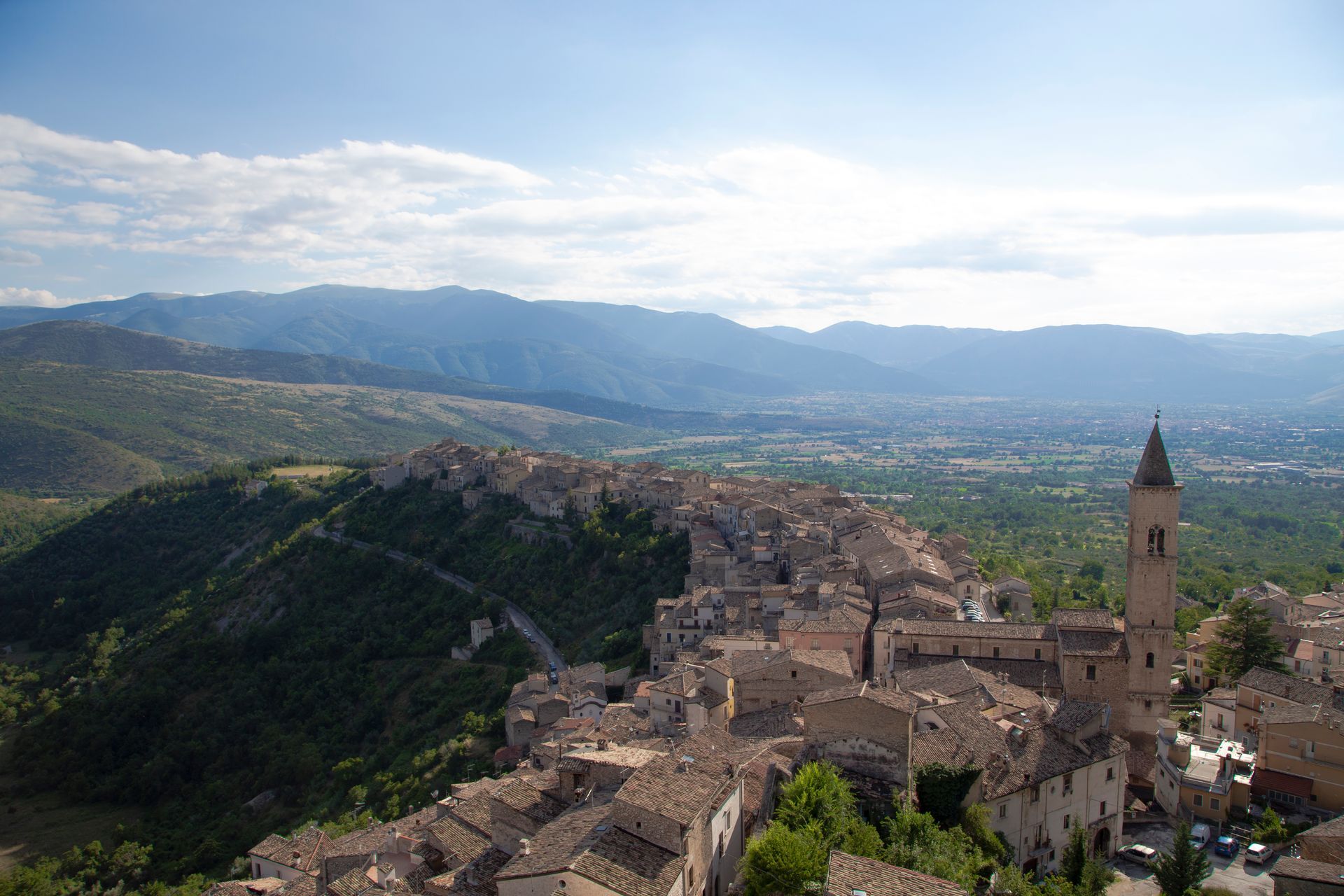
The classic route runs about 90 to 95 kilometres over six stages, roughly five to six days of walking, from the Badia Celestiniana in Sulmona to the Abbey of San Liberatore a Maiella, near Serramonacesca. The stages generally run Sulmona to Pacentro, Pacentro to Caramanico Terme, Caramanico to Decontra, Decontra to the Hermitage of Santo Spirito a Maiella near Roccamorice, Roccamorice onward, and finally to Serramonacesca. Along the way, you pass the rock hermitages of the Maiella, including stretches with real elevation gain and some exposed sections, particularly around San Giovanni all'Orfento at over 1,200 metres. This is the route Touring Club Italiano certified in 2022, checking it for waymarking, accessibility and services along the way. Walkers who complete it can collect stamps in a Charta Peregrini, the pilgrim's credential, at hermitages and towns along the route.
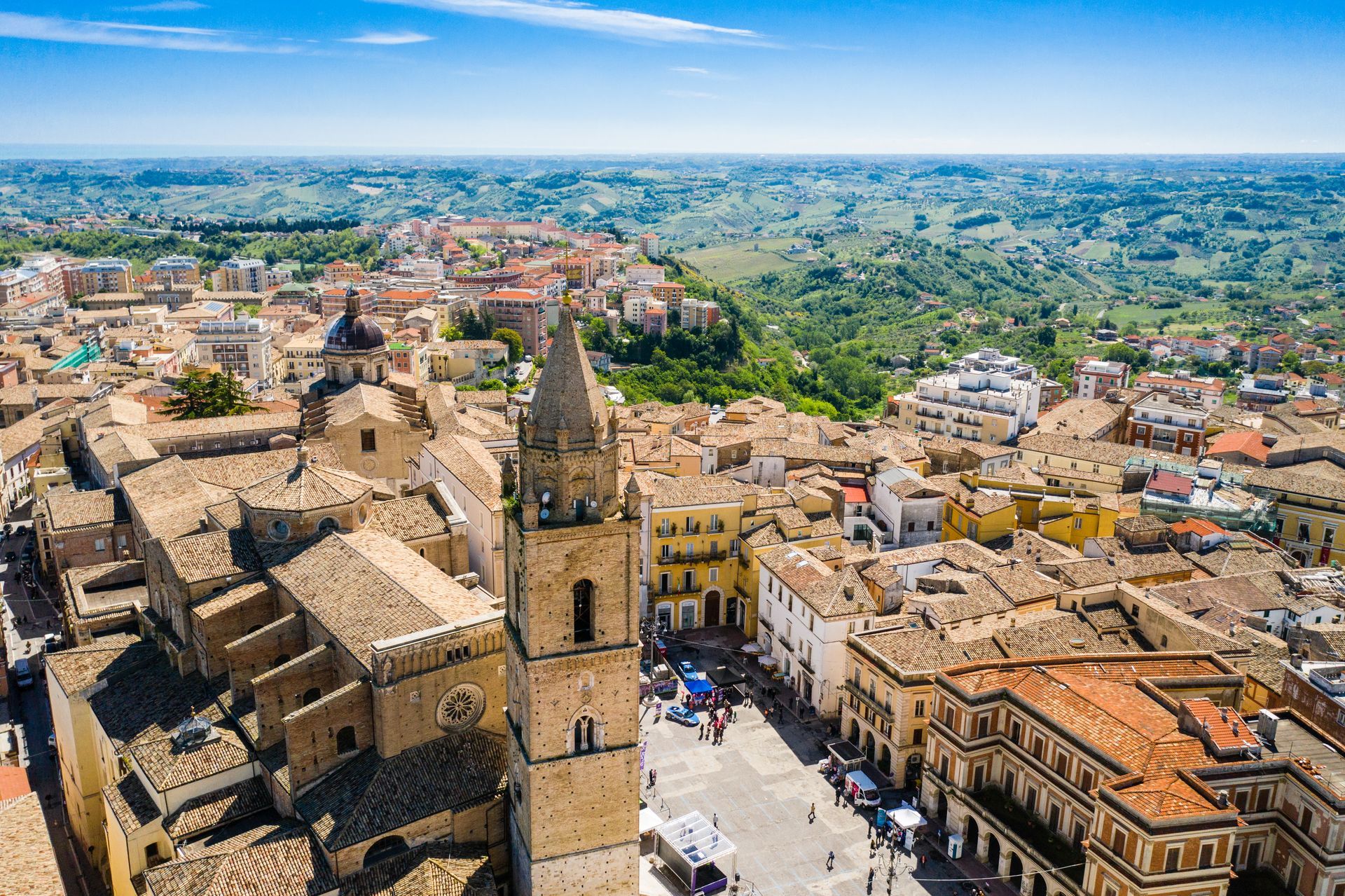
The Cammino Grande di Celestino is the newer and considerably longer version, 202 kilometres over twelve stages, starting at the Basilica of Santa Maria di Collemaggio in L'Aquila, where Celestine was crowned, and finishing on the Adriatic coast at Ortona. It follows the Aterno valley, climbs into the Maiella geopark, and then descends gradually toward the sea, tracing something closer to the full arc of his story rather than just the mountain years.
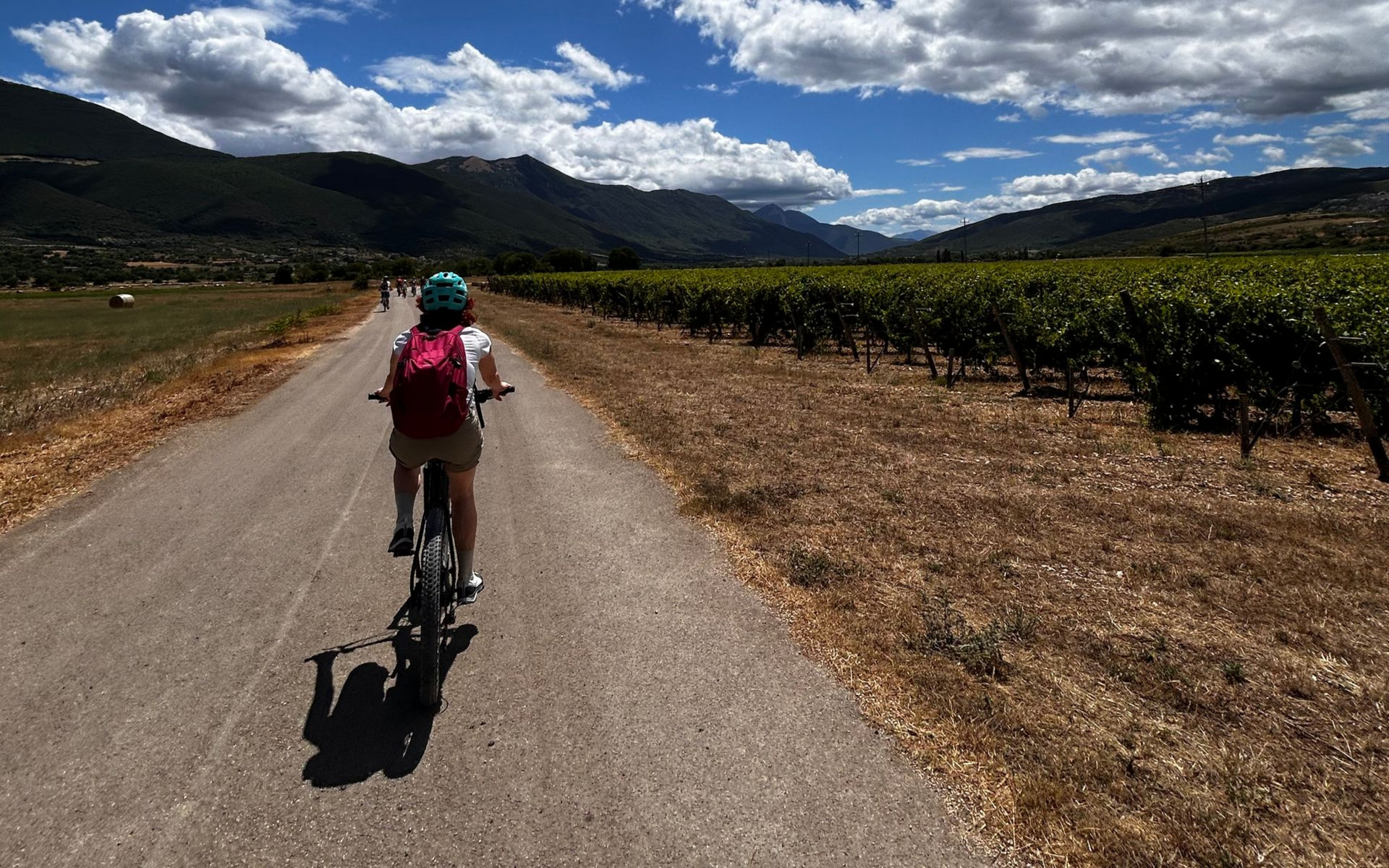
Both routes are rated for hikers with some experience rather than absolute beginners: expect unpaved mountain paths, real ascents, and stretches with limited services, alongside sections that pass through towns where you can resupply and sleep properly. The best windows are spring through autumn; the higher stages can hold snow and ice well into late spring and are best avoided in deep winter.
Do you want to hike the Celestinian trail?
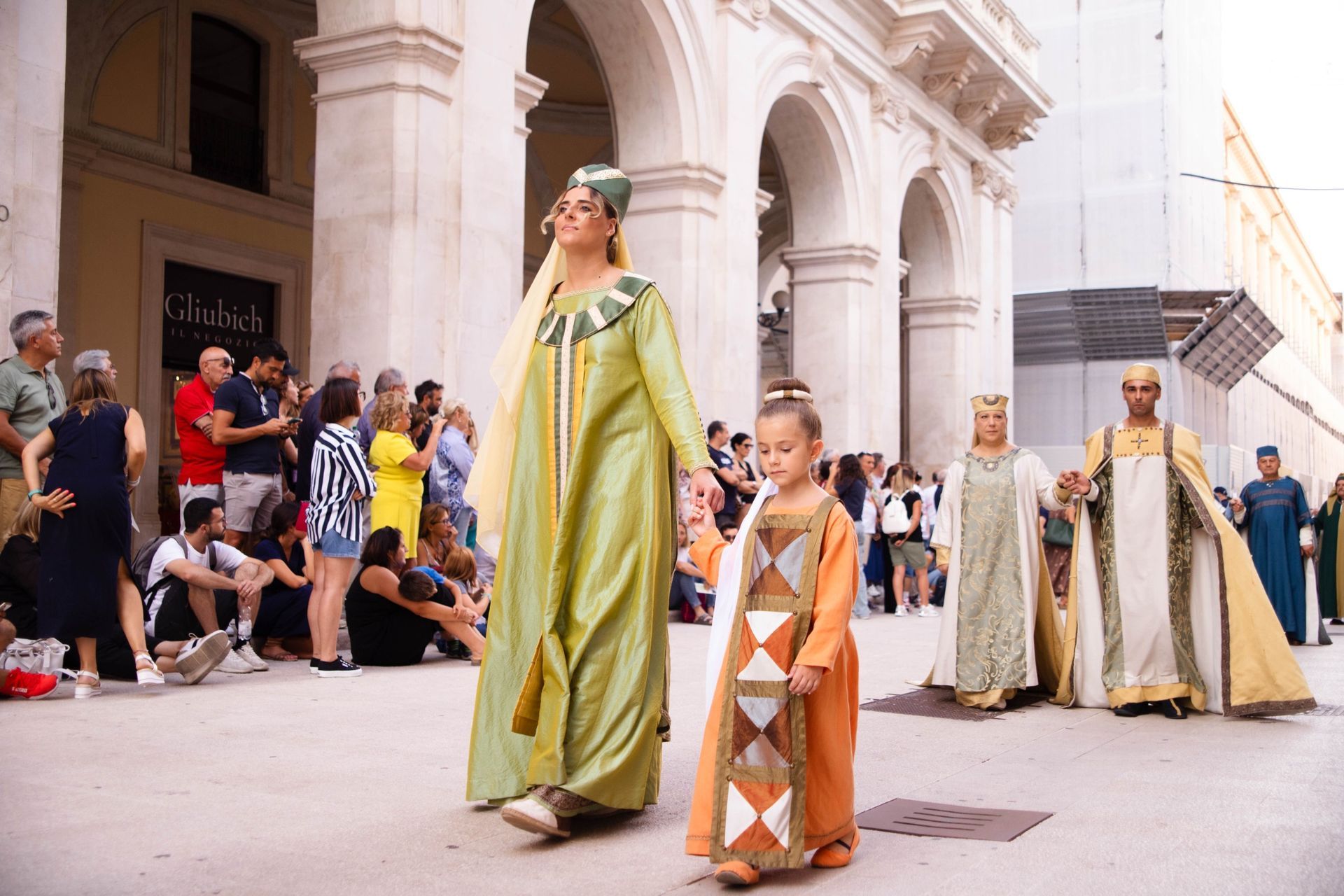
Read about the Celestinia Forgiveness in L'Aquila
Our Frequently Asked Questions
How long does the Cammino di Celestino take?
The classic route from Sulmona to Serramonacesca covers about 90 to 95 kilometres over six stages, typically five to six days of walking. The Cammino Grande di Celestino, from L'Aquila to Ortona, is longer at 202 kilometres over twelve stages.
Is the Cammino di Celestino difficult?
It's generally considered a route for hikers with some experience rather than a beginner's walk. Several stages involve significant elevation gain and unpaved mountain terrain, including exposed sections near the higher hermitages.
Do I need to be religious to walk it?
No. Many walkers approach it as a hiking route through some of Abruzzo's most striking landscapes, with the history of Celestine V as context rather than a requirement. The Charta Peregrini credential is open to anyone who wants to collect stamps along the way.
If any part of this makes you want to see the hermitages for yourself, that's really the point of telling it. Abruzzo's mountains are best understood the way Celestine understood them, one slow stage at a time.
When is the best time to walk it?
Spring through autumn. The higher stages through the Maiella can retain snow and ice well into late spring, so winter walking isn't recommended without the right experience and equipment.
Can borGO help me plan it with a proper guide?
Yes, one of our partners is dedicated to this trail, and we always work with them to plan the trip for our customers.